• Home
Results for {phrase} ({results_count} of {results_count_total})
Displaying {results_count} results of {results_count_total}

More results...

Filter by Product categories
Bioactive Molecules
Amino Acids, Peptides, Proteins
Carbohydrates
Lipids, Fatty Acids
Metabolites
Phytochemicals
Vitamins
Bioactive Small Molecules
Biopolymers
Detection in Bioanalysis
Fluorescent Detection
Organic Pollutants & Pesticides
Fungicides
Herbicides
Insecticides
Other Pollutants
Pharmaceutically Actives
Antibiotics
API's & Intermediates
Steroids
Reagents and Building Blocks
Reagents for Life Sciences
Buffers
Building Blocks, Intermediates, Reagents
Fluorescent Detection
Linker
Non Fluorescent Detection & Chromogene Detection
Quorum Sensing
Uncategorized
Unkategorisiert
    Industriestrasse 15, CH-9015 St. Gallen, Tel: +41 71 244 48 25
    • 0Shopping Cart
    Chemodex
    • Home
    • Products
    • Catalogs
    • About Chemodex
    • Contact & Distributors
    • Menu Menu
    Physil chloride

    Available from stock

      Inquiry

      Please fill out the form for your inquiry:


      * required field

      Physil chloride

      SKU
      P0009

      Categories: Fluorescent Detection, Fluorescent Detection

      Synonyms
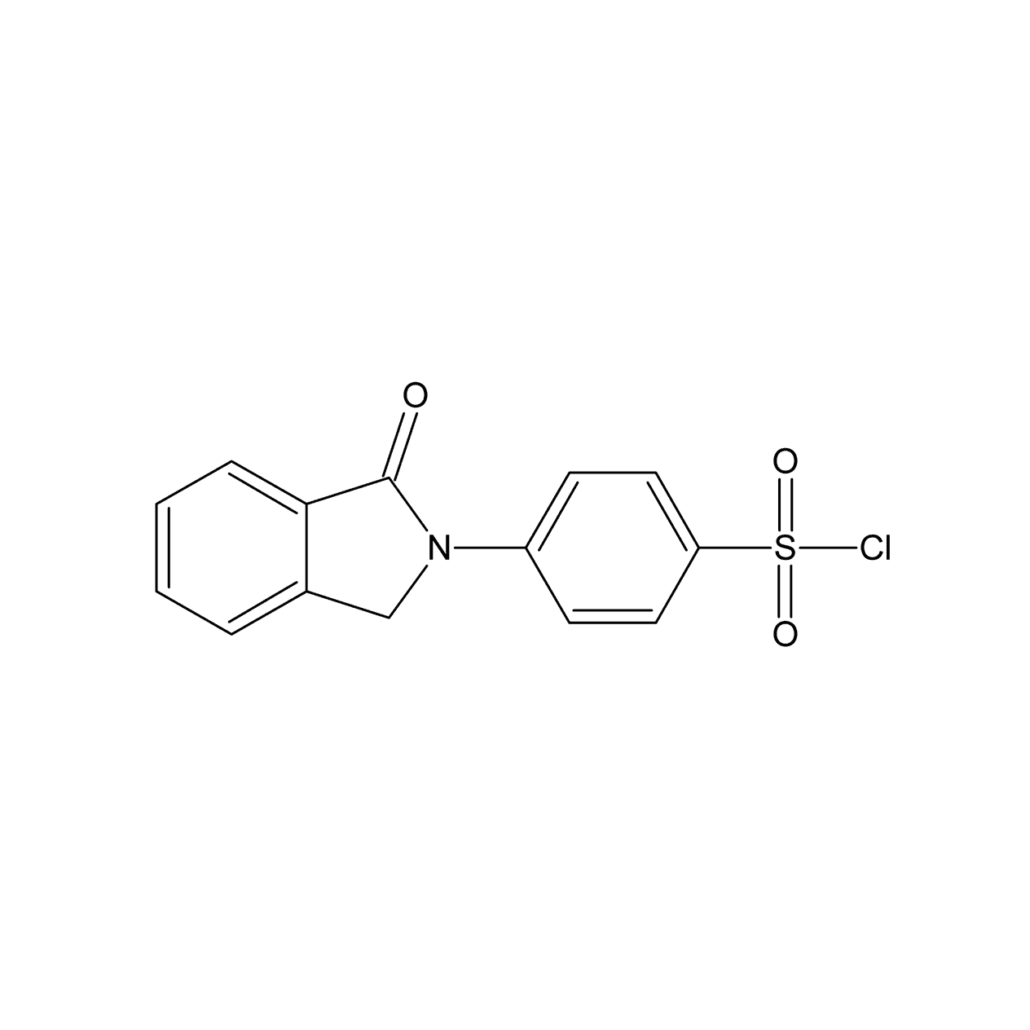
      4-(N-Phthalimidyl)-benzenesulfonyl chloride
      114341-14-9
      CAS-Number
      C14H10ClNO3S
      Molecular Formula
      307.75
      Molecular Weight

      For Research Use Only. Not Intended for Diagnostic or Therapeutic Use.

      • Product Data
      • Handling
      • Safety Information
      • Details

      Specifications

      Purity
      ≥98% (HPLC)
      Appearance
      Solid
      Identity
      1H-NMR

      Properties

      Solvents
      acetone
      Fluorescence
      λex 300 nm, λem 416 nm in methanol (after derivatization with hexylamine)

      Shipping
      AMBIENT
      Short Term Storage
      +4°C
      Long Term Storage
      +4°C
      Handling Advice
      Protect from light and moisture.
      Use / Stability
      Stable for at least 2 years after receipt when stored at +4°C.
      Hazard statements
      H315, H319, H335
      Precautionary statements
      P261, P305 + P351 + P338
      GHS Symbol
      GHS07
      Signal word
      Warning
      Transportation
      Not dangerous goods
      Description
      It is known that phenol and p-cresol are promoters of skin tumors and also urinary excretion of phenol and p-cresol is increased by exposure to benzene, which has hemopoietic toxicity, and toluene, respectively. Therefore, the determination of phenol and p-cresol is important in clinical chemistry and toxicology. Because phenol and p-cresol are present in urine as sulfate or glucuronide conjugates, they are hydrolyzed enzymatically or with acid, followed by distillation or extraction with organic solvent prior to measurement by GC or HPLC. However, these GC and HPLC methods require relatively large sample volumes (more than 1 ml) because of their insufficient sensitivities for measuring small amounts of phenol and p-cresol. The application of fluorescent labeling techniques to HPLC result in a sensitive and selective method. Phthalimidylbenzenesulfonyl chlorides habe also been successfully used for high sensitivity labelling of amino acids prior to HPLC.
      Smiles
      ClS(=O)(=O)C1=CC=C(C=C1)N1CC2=CC=CC=C2C1=O
      InChi Key
      PKWBLDDSBFCSPX-UHFFFAOYSA-N
      References
      (1) Y. Tsuruta et al.: Anal. Biochem. 243, 86 (1996) , (2) Y. Tsuruta et al.: J. Chromatogr. 502, 178 (1990) , (3) O.M. Bakke et al.: Toxicol. Appl. Pharmacol. 16, 691 (1970) , (4) C.N. Ong et al.: J. Chromatogr. 660, 1 (1959) , (5) R. Boutwell et al.: Cancer Res. 19, 413 (1959)
      InChi
      InChI=1S/C14H10ClNO3S/c15-20(18,19)12-7-5-11(6-8-12)16-9-10-3-1-2-4-13(10)14(16)17/h1-8H,9H2

      It is known that phenol and p-cresol are promoters of skin tumors and also urinary excretion of phenol and p-cresol is increased by exposure to benzene, which has hemopoietic toxicity, and toluene, respectively. Therefore, the determination of phenol and p-cresol is important in clinical chemistry and toxicology. Because phenol and p-cresol are present in urine as sulfate or glucuronide conjugates, they are hydrolyzed enzymatically or with acid, followed by distillation or extraction with organic solvent prior to measurement by GC or HPLC. However, these GC and HPLC methods require relatively large sample volumes (more than 1 ml) because of their insufficient sensitivities for measuring small amounts of phenol and p-cresol. The application of fluorescent labeling techniques to HPLC result in a sensitive and selective method. Phthalimidylbenzenesulfonyl chlorides habe also been successfully used for high sensitivity labelling of amino acids prior to HPLC.

      SKU: P0009 Categories: Fluorescent Detection, Fluorescent Detection
      • Additional information

      Additional information

      Synonyms

      4-(N-Phthalimidyl)-benzenesulfonyl chloride

      Purity

      ≥98% (HPLC)

      Appearance

      Solid

      CAS-Number

      114341-14-9

      Molecular Formula

      C14H10ClNO3S

      Molecular Weight

      307.75

      Identity

      1H-NMR

      Solvents

      acetone

      Fluorescence

      λex 300 nm, λem 416 nm in methanol (after derivatization with hexylamine)
      Smiles

      ClS(=O)(=O)C1=CC=C(C=C1)N1CC2=CC=CC=C2C1=O

      InChi Key

      PKWBLDDSBFCSPX-UHFFFAOYSA-N

      Shipping

      AMBIENT

      Short Term Storage

      +4°C

      Long Term Storage

      +4°C

      Handling Advice

      Protect from light and moisture.

      Use / Stability

      Stable for at least 2 years after receipt when stored at +4°C.

      Hazard statements

      H315, H319, H335

      Precautionary statements

      P261, P305 + P351 + P338

      GHS Symbol

      GHS07

      Signal word

      Warning

      Transportation

      Not dangerous goods

      References

      (1) Y. Tsuruta et al.: Anal. Biochem. 243, 86 (1996), (2) Y. Tsuruta et al.: J. Chromatogr. 502, 178 (1990), (3) O.M. Bakke et al.: Toxicol. Appl. Pharmacol. 16, 691 (1970), (4) C.N. Ong et al.: J. Chromatogr. 660, 1 (1959), (5) R. Boutwell et al.: Cancer Res. 19, 413 (1959)

      InChi

      InChI=1S/C14H10ClNO3S/c15-20(18,19)12-7-5-11(6-8-12)16-9-10-3-1-2-4-13(10)14(16)17/h1-8H,9H2

      Quantity

      50 mg, 250 mg, Bulk

      Related products

      • 2-Anthracenylsulfonyl chloride

        2-Anthracenylsulfonyl chloride

        Purity: ≥90% (HPLC)CAS-Number: 17407-98-6SKU: A0062

        Read more Show Details
      • 9

        9,10-Anthracenediyl-bis(methylene)dimalonic acid

        Purity: ≥95% (HPLC)CAS-Number: 307554-62-7SKU: A0183

        Read more Show Details
      • AMCA-X

        AMCA-X

        Purity: ≥95% (HPLC)CAS-Number: 205124-69-2SKU: A0073

        Read more Show Details
      • 10-Acetyl-3

        10-Acetyl-3,7-dihydroxyphenoxazine

        Purity: ≥98% (HPLC)CAS-Number: 119171-73-2SKU: A0022

        Read more Show Details
      © Copyright - Chemodex AG - Customized Molecules developed in Switzerland
      • Home
      • All products
      • Order and delivery information
      • Disclaimer
      • Privacy policy
      • About this site
      12-(1-Pyrenyl) dodecanoic acid12-(1-Pyrenyl) dodecanoic acidPoly(L-lactide) 1.0 dl/gPoly(L-lactide) 1.0 dl/g Scroll to top